How Geek Culture Went Mainstream (Without Anyone Noticing)
Not long ago, being a “geek” was often seen as a niche identity.
People who loved comic books, science fiction, fantasy novels, video games, coding, or tabletop role-playing games were sometimes viewed as having unusual hobbies. These interests existed, but they largely stayed on the edges of popular culture.
Fast forward to today, and the picture looks completely different.
Superhero movies dominate the global box office. Video games generate more revenue than many other forms of entertainment. Technology companies are among the world’s most valuable businesses, and millions of people proudly wear T-shirts featuring characters from comics, anime, or classic games.
The biggest surprise is that this transformation happened gradually. There wasn’t one defining moment when geek culture became mainstream—it simply evolved until it became part of everyday life.
Technology made geeks trendsetters
One of the biggest reasons geek culture became mainstream is simple: technology became central to modern life.
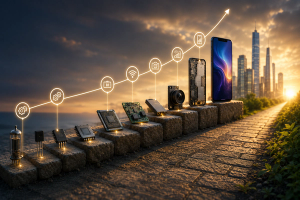
In the 1980s and 1990s, computers were often seen as tools for specialists and enthusiasts. Today, almost everyone carries a powerful computer in their pocket.
As smartphones, the internet, social media, and artificial intelligence became part of everyday life, technical knowledge became increasingly valuable.
Skills that were once considered niche—coding, building computers, understanding software, or following new technology—became useful in schools, workplaces, and businesses around the world.
The people who once seemed ahead of the curve suddenly found themselves at the center of it.
Superheroes became global entertainment
Comic books were once considered a hobby for dedicated fans.
Then came blockbuster movie franchises.
Characters who had spent decades on printed pages suddenly became household names through big-budget films and streaming series.
People who had never opened a comic book became familiar with superheroes, multiverses, and post-credit scenes.
Comic conventions also grew from relatively small fan gatherings into massive international events attended by actors, filmmakers, journalists, and hundreds of thousands of fans.
What was once a niche community became part of global entertainment.
Video games grew up
For years, video games were often viewed as children’s entertainment.
Today, they are one of the world’s largest creative industries.
Modern games feature cinematic storytelling, orchestral soundtracks, professional voice acting, and communities that span millions of players.
Competitive gaming has become a global spectator sport, while livestreaming platforms allow gamers to build careers by sharing gameplay with audiences around the world.
Gaming is no longer a subculture—it’s simply part of popular culture.
Science fiction became reality
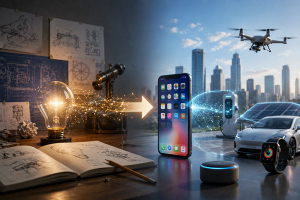
Many ideas that once belonged only to science fiction have become part of everyday life.
Voice assistants, virtual reality, smartwatches, electric vehicles, reusable rockets, and conversational AI all sound like concepts lifted from classic sci-fi novels.
As real technology began catching up with fictional ideas, public interest in science and technology naturally grew.
People became more curious about artificial intelligence, space exploration, robotics, cybersecurity, and quantum computing.
Topics that were once discussed mainly within enthusiast communities now appear in mainstream news every day.
The internet connected communities
Before the internet, finding people who shared unusual interests could be difficult.
Fans often relied on local clubs, conventions, or magazines.
The internet changed everything.
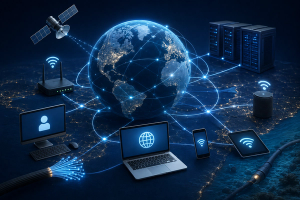
Online forums, social media, video platforms, and messaging apps allowed communities to form regardless of location.
Whether someone loved retro gaming, anime, astronomy, board games, coding, or science fiction, they could instantly connect with thousands of others who shared the same passion.
These communities helped niche interests grow into global movements.
Being passionate became socially accepted
Another major shift was cultural.
People became more comfortable celebrating their interests instead of hiding them.
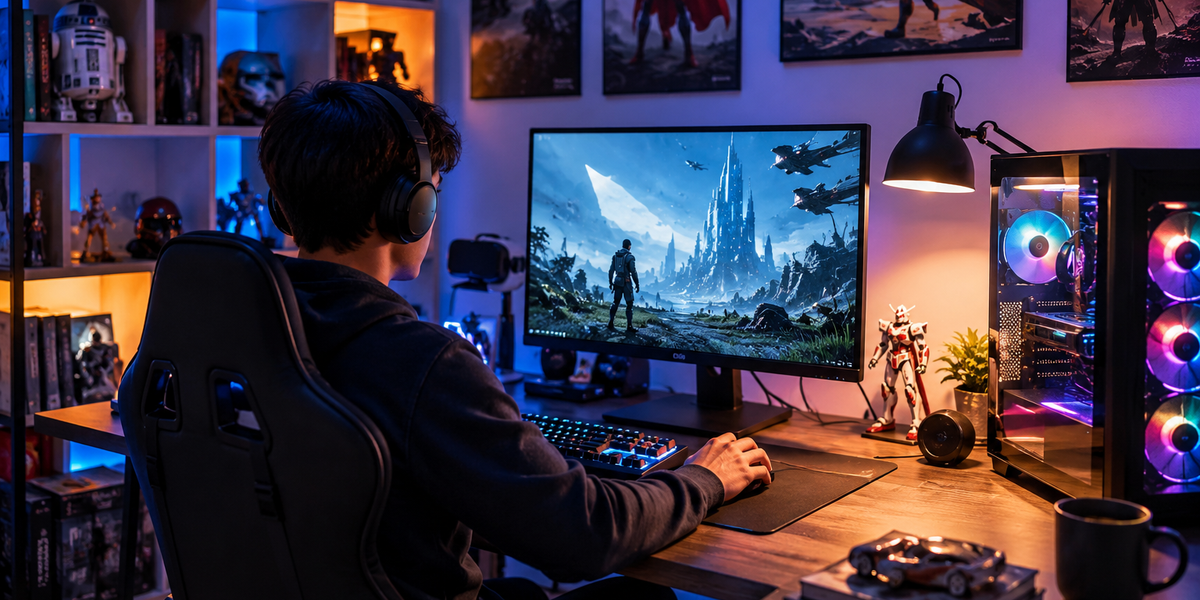
Collecting LEGO sets, building custom PCs, reading fantasy novels, painting miniatures, or watching anime gradually became hobbies people openly discussed rather than kept private.
At the same time, businesses recognized growing demand for products aimed at enthusiasts.
Today, it’s completely normal to find collectible figures, gaming accessories, comic merchandise, and science fiction clothing in major retail stores.
Passion itself became something worth celebrating.
Geek culture influences innovation
Many of today’s technology leaders grew up immersed in geek culture.
They read science fiction, played video games, built computers, and explored programming long before those interests became mainstream.
That curiosity often inspired careers in engineering, software development, artificial intelligence, robotics, and space exploration.
Science fiction has influenced everything from smartphones and tablets to reusable rockets and conversational AI.
In many ways, imagination became one of technology’s greatest sources of inspiration.
Is there still such a thing as geek culture?
This raises an interesting question.
If everyone enjoys superhero movies, plays video games, streams fantasy shows, or uses advanced technology every day, is geek culture still a separate culture?
Many would argue that it has simply become part of mainstream life.
The label “geek” has shifted from an insult to something many people wear proudly, often associated with curiosity, creativity, and a love of learning.
Rather than disappearing, geek culture expanded until it became part of everyday culture itself.
From niche to normal
A single movie, invention, or generation didn’t drive the rise of geek culture.
It happened because technology became essential, entertainment evolved, online communities flourished, and people embraced their interests more openly than ever before.
What was once considered unusual is now celebrated across movies, television, gaming, technology, fashion, and education.
The quietest part of this transformation is that most people barely noticed it happening.
Geek culture didn’t suddenly take over the world—it gradually became the world we live in today. And chances are, whether you’re reading science fiction, playing video games, building a PC, or simply asking an AI a question, you’re already part of it.