The Inventions That Changed How We Live
Human history is often told through inventions.
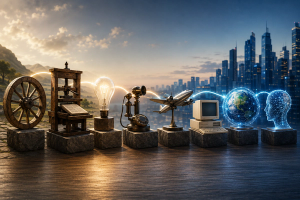
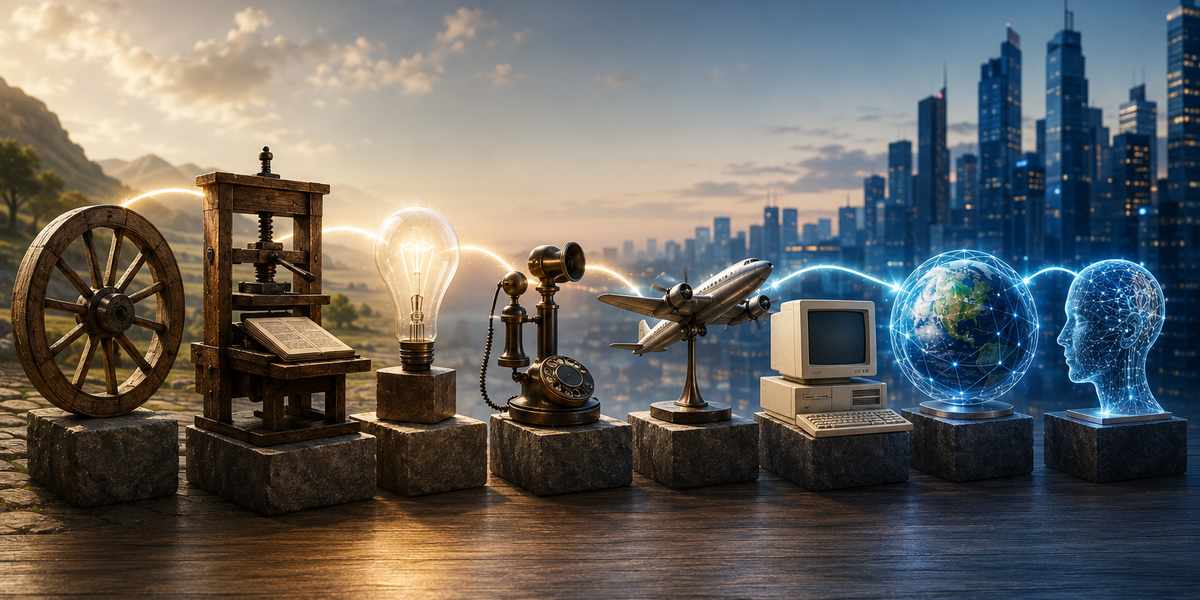
From the moment early humans discovered how to control fire to today’s advances in artificial intelligence, new inventions have continually changed the way we live, work, travel, communicate, and solve problems. Some innovations made everyday life more convenient, while others completely transformed civilization.
What’s remarkable is that many of the inventions we now take for granted were once considered revolutionary—or even impossible.
Here are some of the inventions that have had the greatest impact on the modern world and why they continue to shape our lives today.
The wheel made movement easier
It’s difficult to imagine life without wheels.
Invented more than 5,000 years ago, the wheel became one of the most important technological breakthroughs in human history. It made transporting goods faster, improved agriculture, enabled more efficient construction, and eventually led to carts, bicycles, automobiles, trains, and airplanes.
The wheel wasn’t just a transportation invention—it helped civilizations grow by making trade and travel far more practical.
Even today, it remains one of the most widely used mechanical inventions ever created.
The printing press spread knowledge
Before the printing press, books had to be copied by hand, making them rare, expensive, and available to only a small number of people.
Everything changed in the 15th century with the invention of the printing press.
Books could suddenly be produced much faster and at a much lower cost. Ideas spread across countries, literacy increased, and education became more accessible.
The printing press played a major role in scientific discoveries, cultural movements, and the spread of knowledge around the world.
It transformed information from something scarce into something that millions could access.
Electricity powered the modern world
Few inventions have influenced daily life as much as the widespread use of electricity.
Electricity powers homes, hospitals, schools, factories, transportation systems, and communication networks. Without it, many of the technologies we depend on simply wouldn’t exist.
Lighting extended productive hours beyond sunset. Electric motors transformed manufacturing. Household appliances reduced manual labor. Computers and the internet became possible because reliable electrical power was available.
Although electricity itself wasn’t “invented,” developing practical ways to generate and distribute it fundamentally changed modern society.
The telephone connected people instantly
For most of history, communicating over long distances took days, weeks, or even months.
The invention of the telephone changed that forever.
For the first time, people could speak with someone hundreds or thousands of miles away almost instantly.
Over time, telephones evolved from fixed landlines into smartphones capable of video calls, messaging, internet access, photography, navigation, and much more.
Today’s mobile devices are descendants of one of history’s most transformative communication inventions.
The airplane shrank the world
Air travel fundamentally changed how people experience distance.
Journeys that once required weeks by ship can now be completed in hours. International business, tourism, cultural exchange, and global trade have all expanded because of reliable air transportation.
The airplane also made humanitarian aid, scientific research, and emergency response faster and more effective.
By connecting countries and continents, it helped make the world feel significantly smaller.
Computers transformed work and everyday life
The computer may be one of the most influential inventions of the last century.
Initially used for scientific calculations and large organizations, computers eventually became personal devices found in homes, schools, and workplaces around the world.
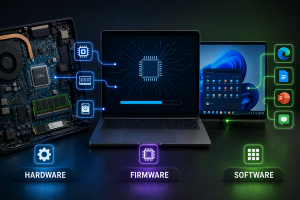
Today, computers help us write documents, analyze data, edit photos, play games, communicate, learn new skills, and manage businesses.
Even smartphones, tablets, and many household appliances now contain powerful computer processors.
Much of modern life depends on computing technology.
The internet changed how information moves
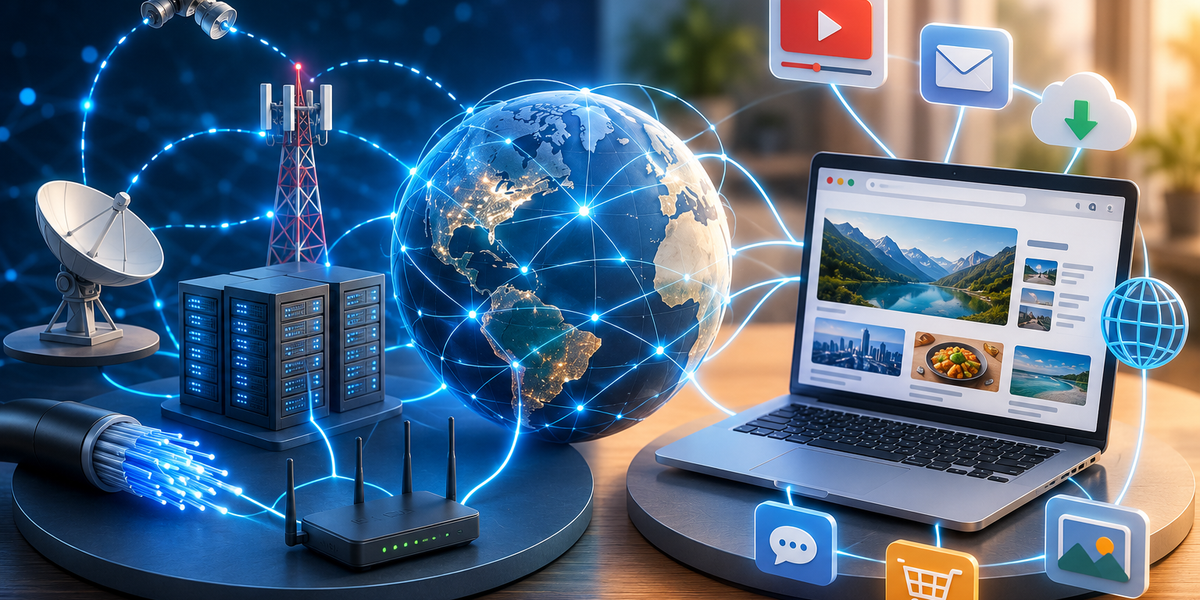
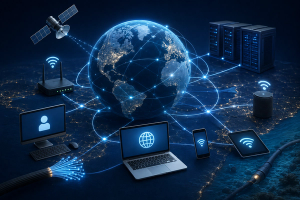
If computers transformed productivity, the internet transformed connectivity.
The internet allows billions of people to communicate, learn, shop, work, bank, stream entertainment, and access information from almost anywhere in the world.
Knowledge that once required hours in a library can now be found in seconds.
Businesses can reach customers globally. Students can take online courses. Families can stay connected across continents through video calls.
The internet has become one of the defining technologies of the modern era because it connects people, ideas, and information on an unprecedented scale.
Artificial intelligence is shaping the next chapter
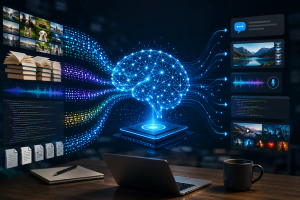
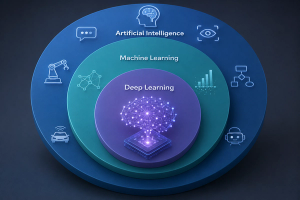
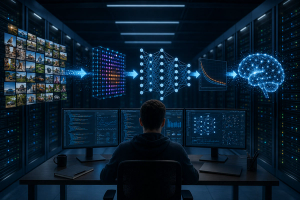
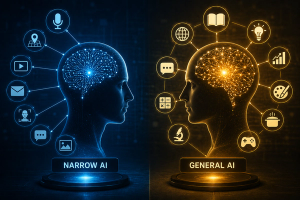
Artificial intelligence is one of the newest inventions beginning to reshape everyday life.
Unlike earlier technologies that mainly automated physical tasks, AI increasingly assists with intellectual work.
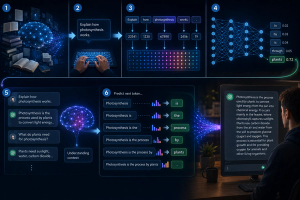
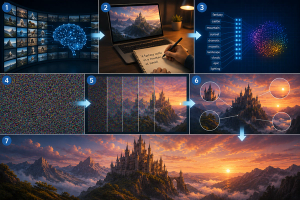
It can generate text, recognize speech, translate languages, analyze data, recommend products, create images, and support medical research.
Although AI is still evolving, it is already changing how people work, learn, create, and solve problems.
Like many groundbreaking inventions before it, its long-term impact is still unfolding.
Great inventions solve real problems
When we look back at history’s most influential inventions, they all have something in common.
They solved important problems.
The wheel made transportation easier. The printing press made knowledge more accessible. Electricity powered modern society. The internet connected the world. AI is helping people process information faster than ever before.
The most successful inventions don’t succeed because they’re complicated—they succeed because they make life better.
Innovation never really stops
Every generation benefits from inventions created by the generations before it.
Many of the technologies we now consider ordinary once seemed extraordinary. Electricity, airplanes, computers, and smartphones all began as bold ideas that transformed the world.
Today’s innovations may one day feel just as ordinary.
History suggests that human creativity doesn’t stand still. As new challenges emerge, new inventions will continue changing how we live, work, communicate, and understand the world.
The next invention that transforms everyday life may already be taking shape—and like the greatest inventions before it, it will likely begin with someone trying to solve a simple problem in a better way.