The Real Difference Between Wi-Fi and Mobile Data
Whether you’re streaming a movie, scrolling through social media, or joining a video call, your phone needs an internet connection. Most of the time, that connection comes from either Wi-Fi or mobile data.
For many people, the two seem almost identical. Both let you browse websites, watch videos, send messages, and use apps. But behind the scenes, they work in very different ways.
Understanding the difference between Wi-Fi and mobile data can help you choose the best connection, save money on your phone bill, and troubleshoot internet problems more easily.
What is Wi-Fi?
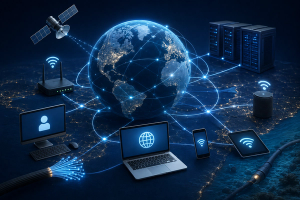
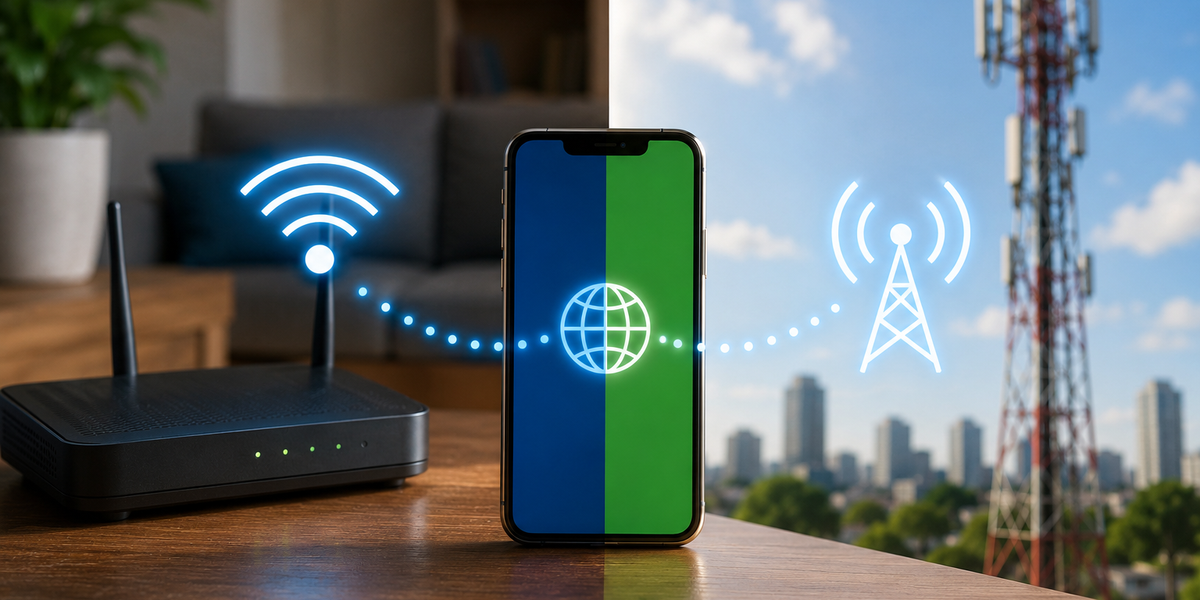
Wi-Fi is a wireless technology that connects your device to the internet through a nearby router.
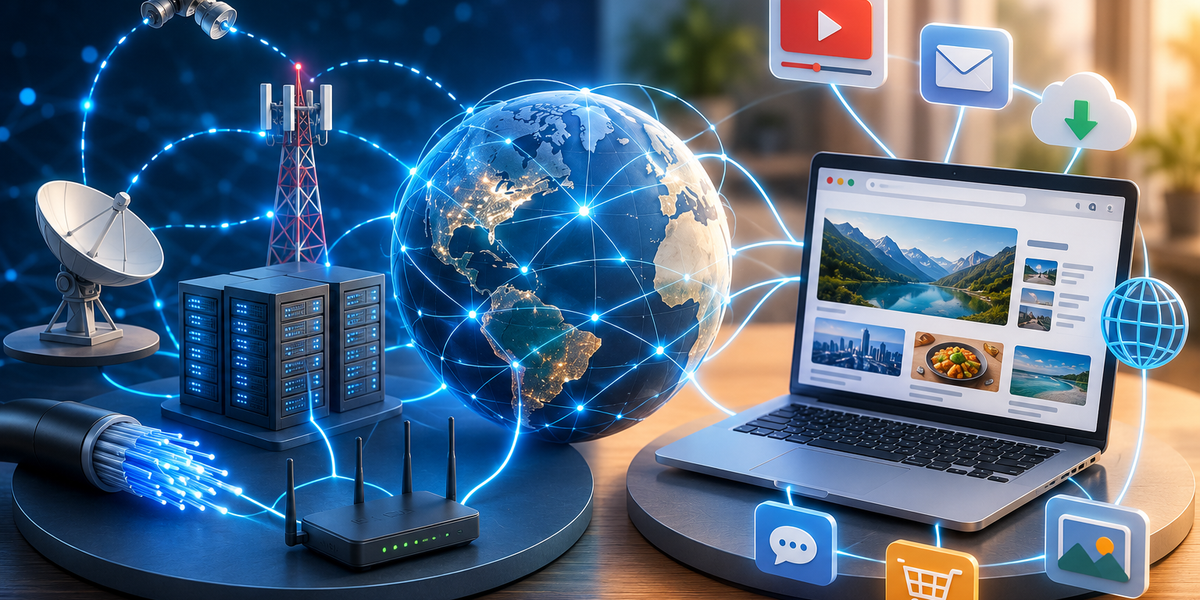
The router itself is connected to the internet through an Internet Service Provider (ISP), usually using fiber, cable, or DSL. Instead of plugging your phone or laptop into the router with a cable, Wi-Fi allows devices to connect wirelessly.
This is why you can move around your home, office, or coffee shop while staying connected.
However, Wi-Fi has a limited range. Most home routers provide reliable coverage only within the building or a short distance outside it.
Once you’re too far away from the router, the connection becomes weak or disappears altogether.
What is mobile data?
Mobile data connects your device to the internet through your cellular provider instead of a Wi-Fi router.
Rather than communicating with a router in your home, your phone communicates with nearby cell towers operated by your mobile network.
These towers are connected to the internet through the provider’s network, allowing you to stay online almost anywhere there’s cellular coverage.
This is why you can browse the internet while walking down the street, traveling by train, or driving across the country.
As long as your phone can communicate with a nearby tower, mobile data keeps you connected.
How the two connections work
Although both provide internet access, the path your data takes is different.
When using Wi-Fi, information travels like this:
Your device → Wi-Fi router → Internet Service Provider → Internet
With mobile data, the route changes:
Your device → Cell tower → Mobile network → Internet
In both cases, you’re ultimately reaching the same websites and online services. The only difference is how your device reaches the internet in the first place.
Think of it like traveling to the same destination using two different roads.
Which one is faster?
The answer depends on several factors.
Modern Wi-Fi connections are often faster than mobile data because many homes now have high-speed fiber internet capable of delivering hundreds—or even thousands—of megabits per second.
However, mobile networks have improved dramatically over the past decade.
With modern 5G networks, mobile data can sometimes match or even exceed the speeds of slower home Wi-Fi connections.
In practice, your experience depends on factors such as:
- Your internet plan
- Network congestion
- Distance from the router or cell tower
- Signal strength
- The capabilities of your device
A strong Wi-Fi connection usually offers the most consistent performance at home, while mobile data provides flexibility when you’re away.
Which one is more secure?
Security depends largely on the network you’re using.
Your home Wi-Fi network is generally secure if it’s protected with a strong password and uses modern encryption.
Public Wi-Fi, however, can be much riskier. Networks in airports, hotels, restaurants, and shopping centers are often shared by many people. If they’re not properly secured, attackers may attempt to intercept data or trick users into connecting to fake networks.
Mobile data is generally considered more secure because communication between your phone and the mobile network is encrypted and managed by your cellular provider.
While no connection is completely risk-free, mobile data often offers better protection when you’re away from trusted Wi-Fi networks.
Why mobile data has limits
One major difference between Wi-Fi and mobile data is cost.
Most home internet plans provide unlimited usage, allowing you to stream videos, download large files, and play online games without worrying about data limits.
Mobile data plans, on the other hand, often include monthly data allowances.
Streaming high-definition video, downloading large games, or backing up thousands of photos can quickly consume your mobile data if you’re not connected to Wi-Fi.
For this reason, many smartphones automatically switch to Wi-Fi whenever a trusted network becomes available.
When should you use each one?
Wi-Fi is usually the better choice when you’re at home, at work, or anywhere with a fast and trusted network.
It’s ideal for:
- Streaming movies
- Video calls
- Large downloads
- Online gaming
- Software updates
- Backing up photos
Mobile data is best when you’re away from Wi-Fi or need internet access while traveling.
It’s perfect for:
- Navigation apps
- Messaging
- Checking email
- Browsing the web
- Streaming music
- Staying connected on the move
Many people use both throughout the day without even noticing as their phone automatically switches between them.
Two technologies working together
Wi-Fi and mobile data aren’t competitors—they’re partners.
Wi-Fi provides fast, reliable internet in fixed locations, while mobile data keeps you connected almost everywhere else. Together, they allow smartphones, tablets, and laptops to stay online wherever life takes you.
The next time your phone switches between Wi-Fi and 5G, you’ll know exactly what’s happening behind the scenes.
Although both let you browse the same websites and use the same apps, they rely on completely different networks to get you there. Understanding that difference makes it easier to choose the right connection, improve your internet experience, and get the most from the technology you use every day.